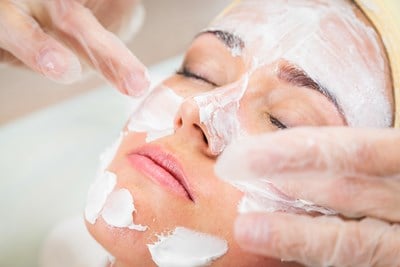

Healthy skin isn’t just about what you see. It's also about what’s happening beneath the surface. Two ingredients often discussed in skincare are ceramides and peptides. While both support skin health, they work in very different ways, making them complementary rather than interchangeable.
Understanding Skin’s Structural Needs
Skin is built like a layered barrier, and each layer plays a role in protection and repair. The outermost layer, known as the stratum corneum, relies heavily on lipids to stay intact. That’s where ceramides come in, forming nearly 50% of this layer’s composition according to research published by the American Academy of Dermatology.
Peptides, on the other hand, work deeper within the skin. They are short chains of amino acids that act as building blocks for proteins like collagen and elastin. These proteins help maintain firmness and elasticity, which naturally decline with age.
Different roles, same goal. Both ingredients aim to support healthier skin, but they approach it from opposite directions—one strengthens the barrier, while the other encourages internal repair.
What Ceramides Actually Do
Ceramides are lipids, or fats, that naturally occur in the skin. Their primary job is to hold skin cells together, forming a protective barrier that locks in moisture and keeps irritants out. Think of them as the “mortar” between bricks.
When ceramide levels drop, skin can become dry, irritated, and more prone to sensitivity. Environmental factors like cold weather and harsh cleansers can deplete them further. Studies have shown that reduced ceramide levels are linked to conditions like eczema and chronic dryness.
That’s why many dermatologists recommend ceramide-rich moisturizers. These products help replenish what’s lost, improving hydration and reducing transepidermal water loss. Over time, this leads to smoother, more resilient skin that feels less reactive.
How Peptides Support Skin Renewal
Peptides function more like messengers than structural components. They signal the skin to produce more collagen, a protein responsible for firmness and smoothness. According to research in the International Journal of Cosmetic Science, certain peptides can stimulate collagen synthesis when applied topically.
As collagen production declines with age—dropping by about 1% per year after your mid-20s—fine lines and sagging begin to appear. Peptides help counteract this process by encouraging the skin to repair itself.
Some peptides also have anti-inflammatory properties, which can calm redness and irritation. Others help improve hydration by strengthening the skin’s ability to retain water. The result is a more youthful, plump appearance over time, though results are typically gradual rather than immediate.
Barrier Repair vs Signal Activation
This is where the key difference becomes clear. Ceramides focus on restoring the skin’s outer barrier, while peptides work by triggering internal processes. One is about protection, the other about communication.
Barrier health is crucial. When the skin barrier is compromised, it can’t retain moisture effectively or defend against environmental stressors. Ceramides step in to repair this damage quickly, making them especially useful for dry or sensitive skin types.
Peptides take a longer-term approach. By signaling the skin to produce essential proteins, they contribute to structural improvements over weeks or months. Clinical studies suggest noticeable changes in skin firmness can take four to twelve weeks of consistent use.
Both strategies matter. Healthy skin needs both a strong barrier and active repair mechanisms to function at its best.
Which Ingredient Is Better for Your Skin
The answer depends on your skin’s needs. If your skin feels tight, flaky, or easily irritated, ceramides are likely the better starting point. They provide immediate relief by restoring hydration and strengthening the barrier.
If your main concern is aging—such as fine lines, wrinkles, or loss of firmness—peptides may offer more targeted benefits. They support long-term improvements by boosting collagen and elastin production.
Many modern skincare formulations include both ingredients for this reason. Combining them allows you to address multiple concerns at once, from hydration to anti-aging. Dermatologists often recommend layering products or choosing formulas that include both for a more comprehensive routine.
There’s no need to choose just one. In fact, using them together can enhance overall results.
How to Use Them Effectively
Timing and formulation matter. Ceramides are typically found in moisturizers and are best applied after cleansing and serums. They help seal in hydration and protect the skin throughout the day or night.
Peptides are often included in serums or lightweight creams. These should be applied earlier in your routine so they can penetrate the skin more effectively. Consistency is key, as their benefits build over time rather than appearing overnight.
It’s also important to pair these ingredients with a basic skincare foundation. Sunscreen, for example, plays a critical role in protecting collagen from UV damage. The Skin Cancer Foundation notes that up to 90% of visible skin aging is caused by sun exposure, which can undermine the benefits of peptides.
Simple routines work best. Using ceramides and peptides alongside gentle cleansing and sun protection creates a balanced approach to skin health.
The "Wild West" of Online Peptides
While topical peptides are a staple of safe, over-the-counter skincare, a separate and more intense trend has caused Google search interest for "peptides" to skyrocket. Driven by the global popularity of GLP-1 weight-loss medications, a "grey market" has emerged where consumers seek out injectable versions of compounds like BPC-157, Melanotan II, and Ipamorelin.
Often marketed as "research chemicals" or "not for human consumption" to bypass FDA regulations, these substances are being used by DIY biohackers for everything from muscle repair to rapid tanning.
As of 2026, the FDA has significantly tightened restrictions on many of these substances, moving several into "Category 2," which designates them as having significant safety risks and making them ineligible for traditional compounding pharmacies.
Quality and Sourcing Risks
The primary danger for readers seeing these trends online is the lack of oversight in production. Unlike the peptides in your moisturizer, which are manufactured under strict cosmetic or pharmaceutical standards, many "research-grade" peptides are mass-produced in overseas labs, primarily in China, where purity levels are unverified.
Without professional lab testing, these vials can be contaminated with heavy metals, bacteria, or incorrect amino acid sequences that can trigger severe immune reactions or long-term health complications.
It is critical to remember that while a peptide serum is a low-risk addition to a beauty routine, the unregulated injectable market is a "Wild West" where the product in the vial rarely matches the marketing on the screen.
(featured image Sharon Pittaway / Unsplash)